
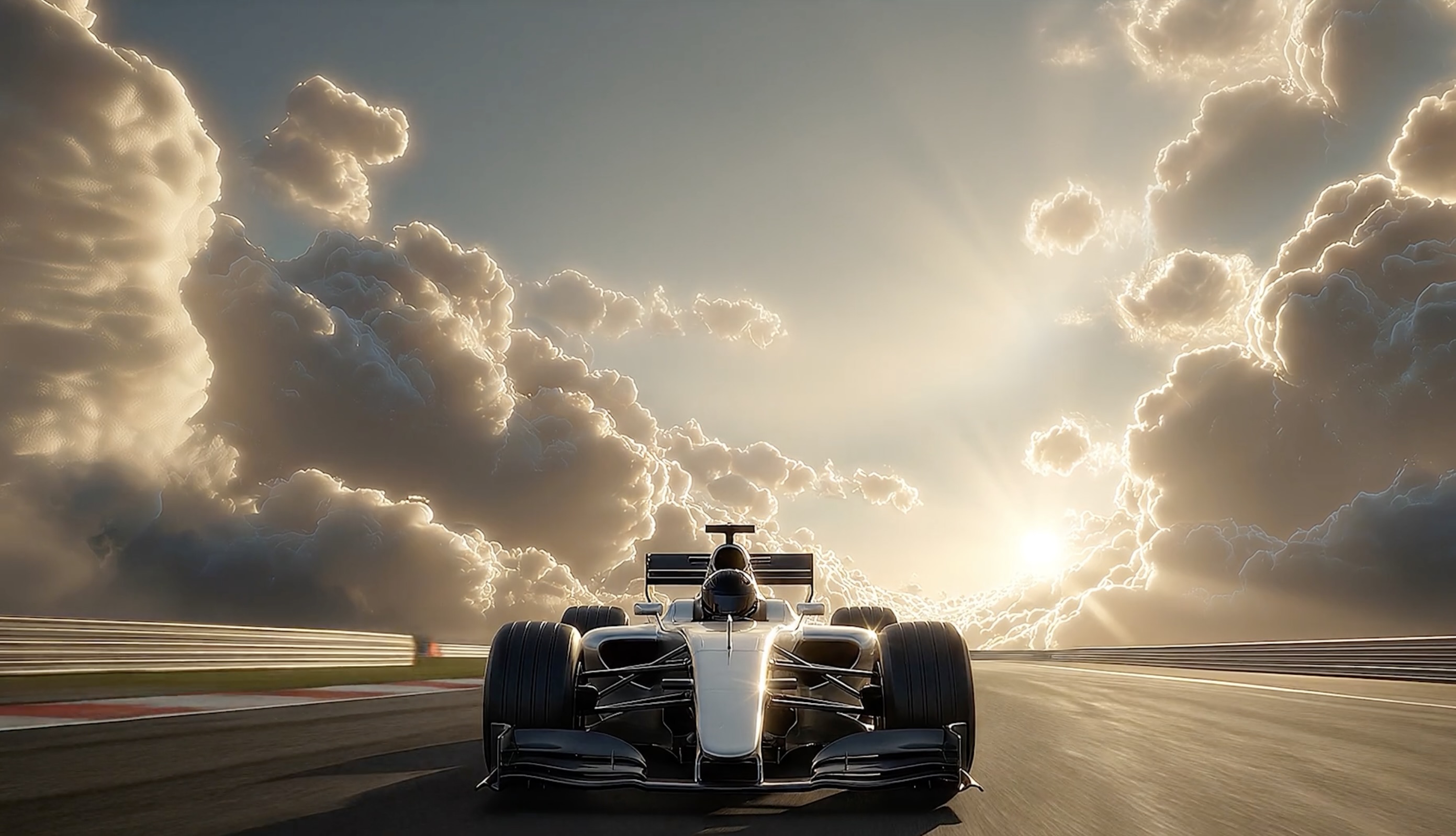
A New Creative Starting Point
Ai is reshaping the earliest stages of video production. Getting an idea moving used to mean storyboards, references, location scouting, and a lot of back and forth. Now, you can take a rough idea, write it out, and see a version of it almost instantly.
It doesn’t replace the creative process, it speeds it up.
Instead of static mood boards, teams can explore ideas in motion. You can test tone, pacing, and visual direction right at the start. It also makes collaboration easier, because people can react to something tangible rather than trying to imagine the same thing from words.
For agencies, brands, and creative teams, that means fewer bottlenecks early on and more room to experiment.
.jpg)
Speed Meets Possibility
The biggest shift here is speed. Ideas can move from concept to something visual almost immediately, which opens up a more agile way of working. If you’re responding to a trend, launching a campaign, or exploring different directions, you’re no longer waiting on production timelines just to see if something works. You can test multiple approaches, refine what lands, and move forward with more confidence. It also lowers the barrier to entry. Concepts that might have felt too ambitious or too expensive to prototype can now be explored quickly, without a large upfront investment.
Where AI Video Works Best Right Now
So where does this actually fit in today?
- Early concept visualisation
Turning rough ideas into something visual that teams can react to and build on.
- Creative exploration
Testing different styles, tones, or directions without committing to full production.
- Pitch support
Bringing ideas to life for clients in a more engaging way than static references.
- Content experimentation
Trying out concepts that might be too complex or costly to produce traditionally.
- Speed driven projects
Situations where turnaround time matters more than final production polish.
These are the areas where AI is already adding real value.
Where Craft Still Matters
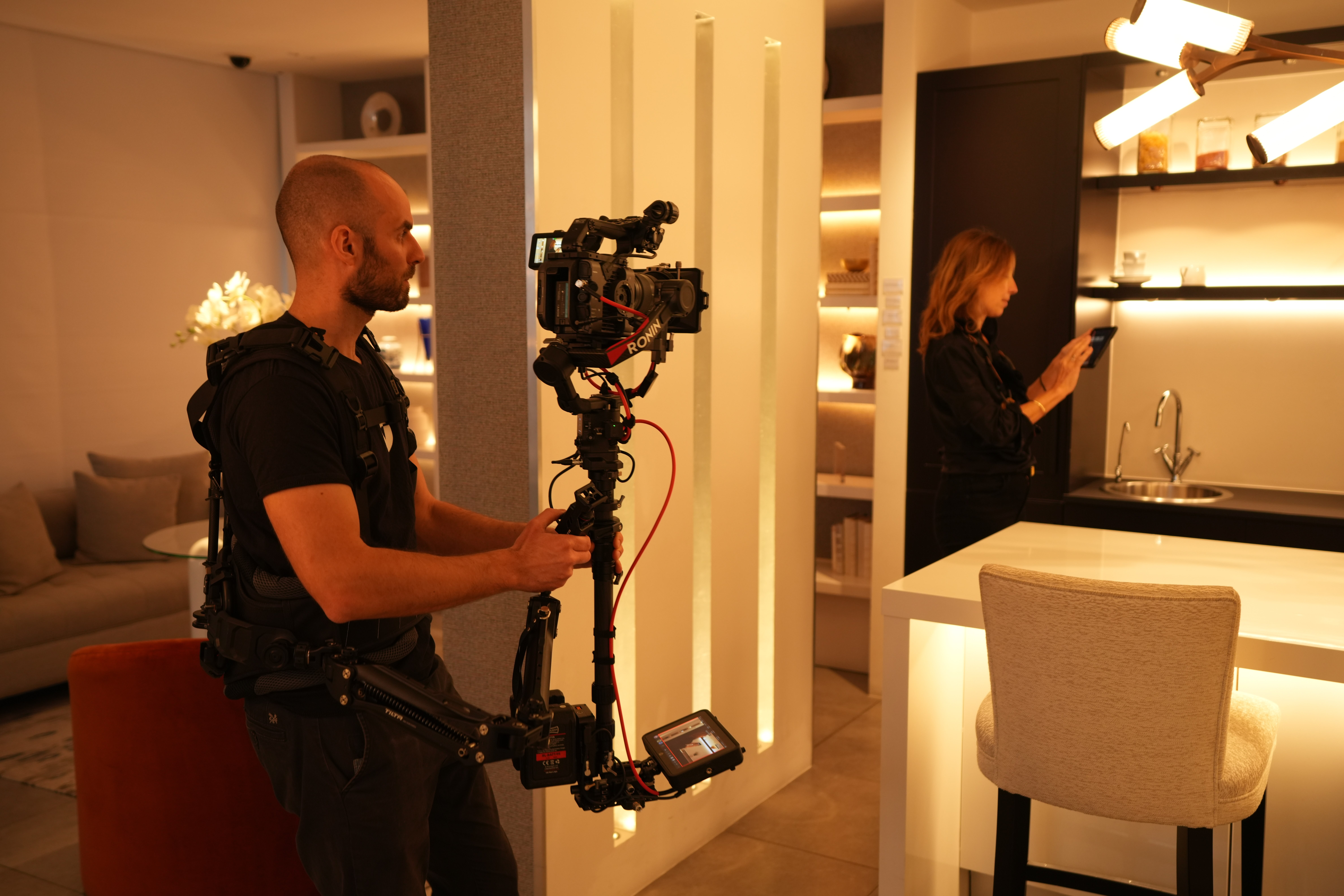
Even with these use cases, there are still clear limits. High end video production relies on things AI can’t fully replicate. Creative direction shapes the narrative. Lighting creates mood and depth. Real world environments add texture and authenticity. Human storytelling is what builds emotional connection.
AI can generate visuals, but it doesn’t fully understand nuance, brand voice, or the small details that make content resonate. That’s where craft still matters.
Blending AI with Real Production
At VidOps, we’re embracing these changes in technology as part of an evolving creative landscape. AI is becoming a powerful tool in the early stages of ideation and exploration helping to visualise concepts, test directions, and enhance collaboration.
At the same time, our focus remains on delivering carefully crafted, real-world visuals where creative direction, lighting, and human storytelling make the difference.By combining emerging technology with production expertise, we’re able to offer the best of both worlds: speed and innovation, grounded in quality and craft.
Common Questions Around AI in Video
Is AI going to replace video production?
Not really. It’s changing parts of the process, especially at the ideation stage, but high quality production still relies on creative direction, real environments, and human storytelling.
How good is AI video right now?
It’s improving quickly, but it’s not perfect. You can get strong results for short clips and concept work, but consistency and control can still be unpredictable.
Is this something brands should be using already?
It depends on the use case. For early stage ideas, pitches, and experimentation, it can be very useful. For polished, final content, traditional production is still the better option.
Will this make video production faster?
In some areas, yes. Especially when it comes to developing and testing ideas. The overall production process still takes time when quality and detail matter.
What should businesses do next?
Stay informed, be open to experimenting, and focus on where these tools actually add value.
Ai in video isn’t a passing trend, it’s a meaningful shift.
The tools will continue to improve, and their role in the production process will grow. The opportunity for brands and creatives is in how they use them, not as a shortcut, but as a way to explore more ideas and move with more flexibility. The future of video is not just faster, it’s more open, more exploratory, and more collaborative.